
• What is the 3/4 Rule for Elevators?

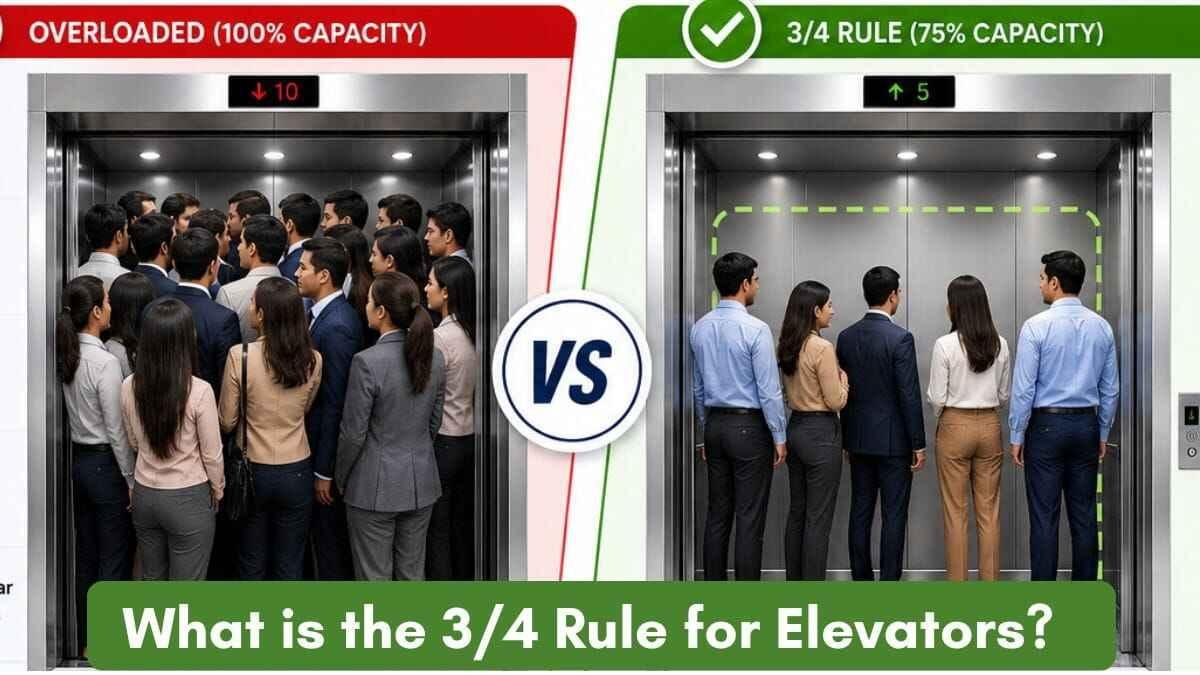
    The 3/4 rule for elevators is a practical guideline followed by every Best Lift Company in Delhi to ensure safety, smooth performance, and long-term efficiency. Here’s a simple, point-to-point explanation:

    Capacity Limit: Elevators should ideally operate at no more than 75% (3/4) of their total capacity for better performance.

    Passenger Comfort: Avoiding full load helps reduce overcrowding and ensures a smooth, comfortable ride.
    Efficient Operation: Lifts run faster and more efficiently when they are not overloaded, reducing waiting time.

    Safety Factor: This rule adds a safety buffer, minimizing the risk of breakdowns or mechanical stress.

    Energy Saving: Using elevators below full capacity helps reduce electricity consumption.

    Longer Lifespan: It improves the durability of components like motors, cables, and control systems.

    In simple terms, the 3/4 rule means don’t overload the lift-leave space for safety and efficiency, a practice followed by every reliable elevator company in Delhi NCR and elevator manufacturers in Delhi.

    https://atticoelevators.weebly.com/blog/what-is-the-34-rule-for-elevators-the-secret-to-safer-faster-more-efficient-rides

    #elevatorcompanyindelhincr #elevatorcompanyindelhi #elevatormanufacturersindelhi #liftcompanyindelhi #bestelevatorcompanydelhi #elevatorserviceDelhiNCR #bestliftcompanyindelhi #homeliftsdelhi
    What is the 3/4 Rule for Elevators? The 3/4 rule for elevators is a practical guideline followed by every Best Lift Company in Delhi to ensure safety, smooth performance, and long-term efficiency. Here’s a simple, point-to-point explanation: Capacity Limit: Elevators should ideally operate at no more than 75% (3/4) of their total capacity for better performance. Passenger Comfort: Avoiding full load helps reduce overcrowding and ensures a smooth, comfortable ride. Efficient Operation: Lifts run faster and more efficiently when they are not overloaded, reducing waiting time. Safety Factor: This rule adds a safety buffer, minimizing the risk of breakdowns or mechanical stress. Energy Saving: Using elevators below full capacity helps reduce electricity consumption. Longer Lifespan: It improves the durability of components like motors, cables, and control systems. In simple terms, the 3/4 rule means don’t overload the lift-leave space for safety and efficiency, a practice followed by every reliable elevator company in Delhi NCR and elevator manufacturers in Delhi. https://atticoelevators.weebly.com/blog/what-is-the-34-rule-for-elevators-the-secret-to-safer-faster-more-efficient-rides #elevatorcompanyindelhincr #elevatorcompanyindelhi #elevatormanufacturersindelhi #liftcompanyindelhi #bestelevatorcompanydelhi #elevatorserviceDelhiNCR #bestliftcompanyindelhi #homeliftsdelhi
    0 Comments 0 Shares 254 Views
  • Luxury Home Elevators in 2026: Design Ideas & Latest Innovations

    Luxury home elevators in 2026 are no longer just a convenience-they have become a symbol of modern living and smart design. Homeowners today are choosing home elevators that combine style, comfort, and advanced technology to enhance their lifestyle. From sleek glass cabins to compact space-saving models, the focus is on both aesthetics and functionality.

    One of the biggest trends is the rise of modern home elevators with 360-degree glass designs that offer a premium, open feel. These elevators not only improve accessibility but also act as a statement piece in villas and duplex homes. Smart features like voice control, app-based operation, and integration with home automation systems are becoming standard in luxury lifts.

    Energy efficiency is another key innovation. Many new elevators use traction or pneumatic systems that consume less power and require minimal maintenance. Customisation is also a major highlight-homeowners can choose finishes like matte black, stainless steel, or tinted glass to match their interiors.

    With improved safety features, smooth ride technology, and compact installation options, luxury elevators are now suitable for homes of all sizes. They offer the perfect mix of convenience, elegance, and future-ready living.

    https://gauravsharma123.blog5.net/92469214/luxury-home-elevators-in-2026-design-ideas-latest-innovations

    #luxuryhomeelevators #homeelevators #modernhomeelevators #residentialelevator #homelift #smarthome #elevatortechnology #homeimprovement #luxuryliving #futurehomes
    Luxury Home Elevators in 2026: Design Ideas & Latest Innovations Luxury home elevators in 2026 are no longer just a convenience-they have become a symbol of modern living and smart design. Homeowners today are choosing home elevators that combine style, comfort, and advanced technology to enhance their lifestyle. From sleek glass cabins to compact space-saving models, the focus is on both aesthetics and functionality. One of the biggest trends is the rise of modern home elevators with 360-degree glass designs that offer a premium, open feel. These elevators not only improve accessibility but also act as a statement piece in villas and duplex homes. Smart features like voice control, app-based operation, and integration with home automation systems are becoming standard in luxury lifts. Energy efficiency is another key innovation. Many new elevators use traction or pneumatic systems that consume less power and require minimal maintenance. Customisation is also a major highlight-homeowners can choose finishes like matte black, stainless steel, or tinted glass to match their interiors. With improved safety features, smooth ride technology, and compact installation options, luxury elevators are now suitable for homes of all sizes. They offer the perfect mix of convenience, elegance, and future-ready living. https://gauravsharma123.blog5.net/92469214/luxury-home-elevators-in-2026-design-ideas-latest-innovations #luxuryhomeelevators #homeelevators #modernhomeelevators #residentialelevator #homelift #smarthome #elevatortechnology #homeimprovement #luxuryliving #futurehomes
    0 Comments 0 Shares 427 Views
  • What is a glass home elevator?

    A glass home elevator is a modern residential lift designed with fully or partially transparent panels made from durable, safety-tested materials like tempered or laminated glass. Unlike traditional enclosed lifts, it offers a sleek and stylish appearance, allowing it to blend seamlessly with contemporary interiors while enhancing the overall visual appeal of the home.

    These elevators are widely used in home elevators to ensure smooth and efficient movement between floors. At the same time, they serve as an architectural highlight, adding a luxurious touch to living spaces. Glass home elevators can operate on different drive systems such as hydraulic, traction, or pneumatic (vacuum), depending on the layout, space availability, and installation requirements.

    One of the main reasons for their growing popularity is their perfect balance of design and functionality. Homeowners today prefer solutions that are not only practical but also aesthetically pleasing. Glass home elevators meet both needs by offering advanced technology, quiet operation, and space-saving designs. They are especially ideal for modern homes where openness and elegance are key design elements, making them a smart investment for comfort, accessibility, and long-term property value.

    https://gauravsharma.blog2learn.com/88593380/glass-home-elevators-modern-design-meets-advanced-technology

    #glasshomeelevator #homeelevators #modernhomeelevators #residentialelevator #homelift #luxuryhomes #smarthome #elevatortechnology #homeimprovement #verticalmobility
    What is a glass home elevator? A glass home elevator is a modern residential lift designed with fully or partially transparent panels made from durable, safety-tested materials like tempered or laminated glass. Unlike traditional enclosed lifts, it offers a sleek and stylish appearance, allowing it to blend seamlessly with contemporary interiors while enhancing the overall visual appeal of the home. These elevators are widely used in home elevators to ensure smooth and efficient movement between floors. At the same time, they serve as an architectural highlight, adding a luxurious touch to living spaces. Glass home elevators can operate on different drive systems such as hydraulic, traction, or pneumatic (vacuum), depending on the layout, space availability, and installation requirements. One of the main reasons for their growing popularity is their perfect balance of design and functionality. Homeowners today prefer solutions that are not only practical but also aesthetically pleasing. Glass home elevators meet both needs by offering advanced technology, quiet operation, and space-saving designs. They are especially ideal for modern homes where openness and elegance are key design elements, making them a smart investment for comfort, accessibility, and long-term property value. https://gauravsharma.blog2learn.com/88593380/glass-home-elevators-modern-design-meets-advanced-technology #glasshomeelevator #homeelevators #modernhomeelevators #residentialelevator #homelift #luxuryhomes #smarthome #elevatortechnology #homeimprovement #verticalmobility
    0 Comments 0 Shares 431 Views
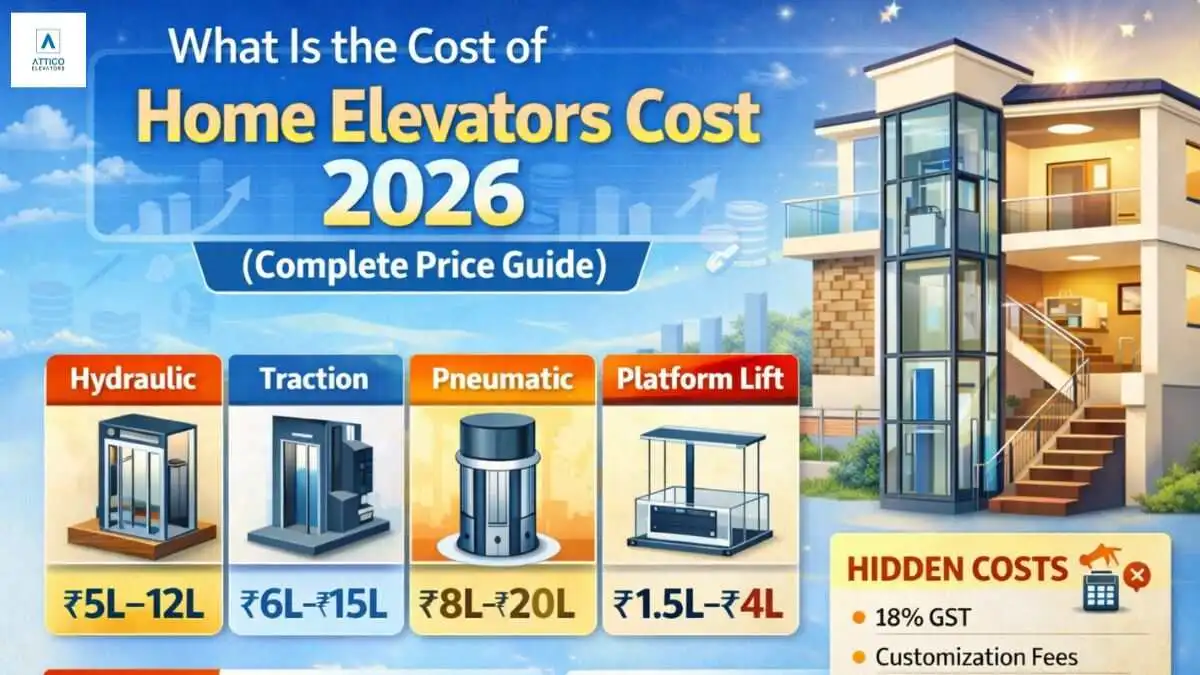
  • What Is the Cost of Home Elevators in India in 2026? (Complete Price Guide)

    The cost of home elevators in India in 2026 varies based on type, design, and installation needs. On average, a basic home lift starts from ₹4–5 lakhs, while premium models with advanced features can go up to ₹15–25 lakhs or more.

    The price mainly depends on the type of elevator you choose. Hydraulic elevators are more budget-friendly, while traction and MRL (machine room-less) elevators offer better efficiency and modern features at a higher cost. The number of floors, load capacity, and shaft construction also play a major role in determining the final price.

    Customization is another important factor. Options like glass cabins, stainless steel finishes, designer lighting, and smart control panels can increase the overall cost. Additionally, installation complexity and civil work requirements may add to the budget.

    Maintenance is also essential. Most companies provide AMC (annual maintenance contracts) to ensure long-term performance and safety. If you want to explore detailed pricing and options, check this guide on home elevator cost.

    Investing in a home elevator enhances convenience, improves accessibility, and adds long-term value to your property.

    https://atticoelevators.wordpress.com/2026/04/10/what-is-the-cost-of-home-elevators-in-india-in-2026-complete-price-guide/

    #homeelevators #elevatorcost #homeliftprice #indiarealeestate #smarthomes #luxuryliving #elevatortechnology #modernhomes #construction
    What Is the Cost of Home Elevators in India in 2026? (Complete Price Guide) The cost of home elevators in India in 2026 varies based on type, design, and installation needs. On average, a basic home lift starts from ₹4–5 lakhs, while premium models with advanced features can go up to ₹15–25 lakhs or more. The price mainly depends on the type of elevator you choose. Hydraulic elevators are more budget-friendly, while traction and MRL (machine room-less) elevators offer better efficiency and modern features at a higher cost. The number of floors, load capacity, and shaft construction also play a major role in determining the final price. Customization is another important factor. Options like glass cabins, stainless steel finishes, designer lighting, and smart control panels can increase the overall cost. Additionally, installation complexity and civil work requirements may add to the budget. Maintenance is also essential. Most companies provide AMC (annual maintenance contracts) to ensure long-term performance and safety. If you want to explore detailed pricing and options, check this guide on home elevator cost. Investing in a home elevator enhances convenience, improves accessibility, and adds long-term value to your property. https://atticoelevators.wordpress.com/2026/04/10/what-is-the-cost-of-home-elevators-in-india-in-2026-complete-price-guide/ #homeelevators #elevatorcost #homeliftprice #indiarealeestate #smarthomes #luxuryliving #elevatortechnology #modernhomes #construction
    0 Comments 0 Shares 705 Views
  • Which Are the Best Home Elevators for Small Houses in India?

    Choosing the right home elevators for small houses in India requires a smart balance of space, budget, and functionality. Today, modern technology has made it easier to install compact and efficient lifts even in limited spaces.

    Hydraulic Home Elevators are a popular choice for smooth and quiet operation. They are ideal for low-rise homes but need a small pit and machine space.

    Traction Elevators (MRL) are energy-efficient and space-saving, making them perfect for urban homes with limited room.

    Pneumatic (Vacuum) Elevators are one of the best options for compact homes. They do not require a pit or machine room and can be installed quickly.

    Shaftless Elevators are designed especially for small homes and duplexes. They take up minimal space and are easy to maintain.

    Screw Drive Elevators offer high safety, low maintenance, and are suitable for residential use with a limited installation area.

    Most home elevators today can fit into compact spaces as small as 3x3 feet, making them ideal for modern Indian homes where space is a concern.

    Conclusion:
    If space is your main concern, pneumatic and shaftless lifts are the best choices. For better load capacity and long-term use, hydraulic or traction elevators are more suitable.

    https://656db1b19dbfa.site123.me/blog/which-are-the-best-home-elevators-for-small-houses-in-india

    #homeelevators #smallhomelifts #compactelevators #homeelevatorsindia #shaftlesselevator #vacuumelevator #hydraulicelevator #tractionelevator #spacesavinglifts #modernhomes
    Which Are the Best Home Elevators for Small Houses in India? Choosing the right home elevators for small houses in India requires a smart balance of space, budget, and functionality. Today, modern technology has made it easier to install compact and efficient lifts even in limited spaces. Hydraulic Home Elevators are a popular choice for smooth and quiet operation. They are ideal for low-rise homes but need a small pit and machine space. Traction Elevators (MRL) are energy-efficient and space-saving, making them perfect for urban homes with limited room. Pneumatic (Vacuum) Elevators are one of the best options for compact homes. They do not require a pit or machine room and can be installed quickly. Shaftless Elevators are designed especially for small homes and duplexes. They take up minimal space and are easy to maintain. Screw Drive Elevators offer high safety, low maintenance, and are suitable for residential use with a limited installation area. Most home elevators today can fit into compact spaces as small as 3x3 feet, making them ideal for modern Indian homes where space is a concern. Conclusion: If space is your main concern, pneumatic and shaftless lifts are the best choices. For better load capacity and long-term use, hydraulic or traction elevators are more suitable. https://656db1b19dbfa.site123.me/blog/which-are-the-best-home-elevators-for-small-houses-in-india #homeelevators #smallhomelifts #compactelevators #homeelevatorsindia #shaftlesselevator #vacuumelevator #hydraulicelevator #tractionelevator #spacesavinglifts #modernhomes
    0 Comments 0 Shares 664 Views
  • Which Is Better - Imported Elevator Brands vs Indian Lift Manufacturers?

    Choosing between imported elevator brands and Indian lift manufacturers depends on your budget, usage, and long-term needs. When comparing Best elevator brands India vs imported, it’s important to understand the key differences clearly. Here’s a simple point-to-point comparison:

    Technology & Innovation: Imported brands like KONE and Thyssenkrupp offer advanced technology, smart features, and premium designs with strong focus on R&D.

    Cost & Affordability: Indian manufacturers like Johnson Lifts are more budget-friendly, making them ideal for residential homes, while imported lifts are usually more expensive.

    Maintenance & Service: Indian lift manufacturers provide faster service and easy availability of spare parts, whereas imported brands may involve higher maintenance costs.

    Customization: Indian companies offer better customization suited to Indian homes and space constraints, while imported brands focus more on standardized premium models.

    Quality & Reliability: Imported elevators are known for precision engineering and smooth performance, while top Indian brands also deliver reliable and durable systems.
    Installation & Support: Indian companies understand local regulations better and provide smoother installation and approval support.

    Conclusion: If you want luxury and advanced features, imported brands are a great choice. But for cost-effective, reliable, and easy-to-maintain solutions, Indian lift manufacturers are often the better option.

    https://atticoelevators.blogspot.com/2026/03/which-is-better-imported-elevator.html

    #importedelevators #indianelevators #homelift #elevatorcomparison #residentialelevators #liftdesign #modernhomes #elevatorsafety #liftinstallation #smartliving
    Which Is Better - Imported Elevator Brands vs Indian Lift Manufacturers? Choosing between imported elevator brands and Indian lift manufacturers depends on your budget, usage, and long-term needs. When comparing Best elevator brands India vs imported, it’s important to understand the key differences clearly. Here’s a simple point-to-point comparison: Technology & Innovation: Imported brands like KONE and Thyssenkrupp offer advanced technology, smart features, and premium designs with strong focus on R&D. Cost & Affordability: Indian manufacturers like Johnson Lifts are more budget-friendly, making them ideal for residential homes, while imported lifts are usually more expensive. Maintenance & Service: Indian lift manufacturers provide faster service and easy availability of spare parts, whereas imported brands may involve higher maintenance costs. Customization: Indian companies offer better customization suited to Indian homes and space constraints, while imported brands focus more on standardized premium models. Quality & Reliability: Imported elevators are known for precision engineering and smooth performance, while top Indian brands also deliver reliable and durable systems. Installation & Support: Indian companies understand local regulations better and provide smoother installation and approval support. Conclusion: If you want luxury and advanced features, imported brands are a great choice. But for cost-effective, reliable, and easy-to-maintain solutions, Indian lift manufacturers are often the better option. https://atticoelevators.blogspot.com/2026/03/which-is-better-imported-elevator.html #importedelevators #indianelevators #homelift #elevatorcomparison #residentialelevators #liftdesign #modernhomes #elevatorsafety #liftinstallation #smartliving
    0 Comments 0 Shares 663 Views
  • What Permits Do You Need to Install a Home Lift in Delhi?

    Installing a home lift in Delhi requires a few important permits to ensure safety and legal compliance. Understanding Home Lift permits Delhi helps homeowners avoid delays and ensures a smooth installation process. Here’s a simple point-to-point explanation:

    Building Plan Approval: You must get approval from the Municipal Corporation of Delhi (MCD). If any structural changes are involved, revised building plans need to be submitted.

    DDA Permission (if applicable): For properties under planned areas or societies, approval from the Delhi Development Authority (DDA) may be required.

    Electrical Safety Clearance: The Electrical Inspectorate Delhi ensures that wiring, load capacity, and safety standards are properly followed.

    Fire Safety NOC: In some cases, especially for larger homes or buildings, clearance from the Delhi Fire Service is needed.

    Society NOC: If you live in a group housing society or apartment, you may need a No Objection Certificate from the society management.

    Lift Inspection & Certification: After installation, the lift must be inspected and approved for safe operation by the concerned authority.

    Following these steps ensures your home elevator is safe, legal, and hassle-free. Most professional elevator companies help manage these approvals smoothly.

    https://atticoelevators.weebly.com/blog/what-permits-do-you-need-to-install-a-home-lift-in-delhi

    #homelift #homeelevator #delhihome #liftinstallation #elevatorsafety #residentialelevators #modernliving #homeupgrade #indiansmarthome #delhiregulations
    What Permits Do You Need to Install a Home Lift in Delhi? Installing a home lift in Delhi requires a few important permits to ensure safety and legal compliance. Understanding Home Lift permits Delhi helps homeowners avoid delays and ensures a smooth installation process. Here’s a simple point-to-point explanation: Building Plan Approval: You must get approval from the Municipal Corporation of Delhi (MCD). If any structural changes are involved, revised building plans need to be submitted. DDA Permission (if applicable): For properties under planned areas or societies, approval from the Delhi Development Authority (DDA) may be required. Electrical Safety Clearance: The Electrical Inspectorate Delhi ensures that wiring, load capacity, and safety standards are properly followed. Fire Safety NOC: In some cases, especially for larger homes or buildings, clearance from the Delhi Fire Service is needed. Society NOC: If you live in a group housing society or apartment, you may need a No Objection Certificate from the society management. Lift Inspection & Certification: After installation, the lift must be inspected and approved for safe operation by the concerned authority. Following these steps ensures your home elevator is safe, legal, and hassle-free. Most professional elevator companies help manage these approvals smoothly. https://atticoelevators.weebly.com/blog/what-permits-do-you-need-to-install-a-home-lift-in-delhi #homelift #homeelevator #delhihome #liftinstallation #elevatorsafety #residentialelevators #modernliving #homeupgrade #indiansmarthome #delhiregulations
    0 Comments 0 Shares 647 Views