


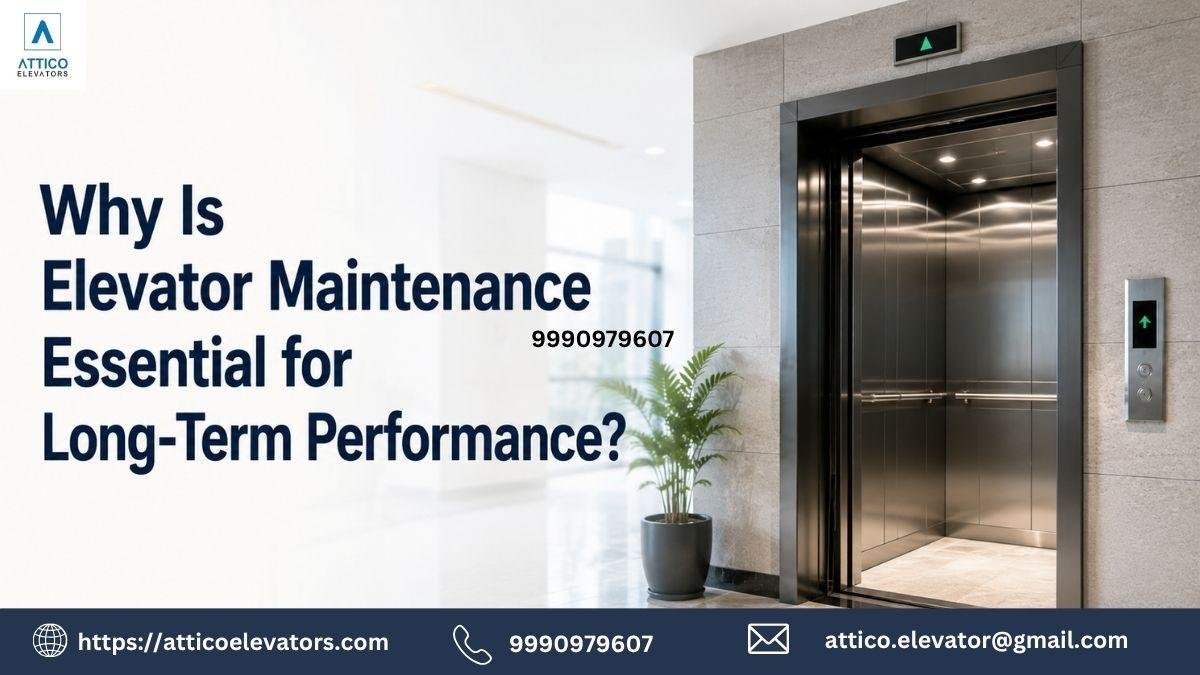
Why Is Elevator Maintenance Essential for Long-Term Performance?
Regular elevator maintenance is essential to keep your elevator operating safely, efficiently, and reliably for many years. Like any mechanical system, elevators experience wear and tear over time. Routine inspections and servicing help identify minor issues before they become costly repairs.
Key Benefits of Elevator Maintenance
Improves Safety: Regular maintenance ensures that safety features, brakes, doors, and control systems function properly, reducing the risk of accidents.
Prevents Unexpected Breakdowns: Scheduled inspections help technicians detect worn components early, minimizing sudden elevator failures and inconvenience.
Extends Equipment Life: Proper lubrication, adjustments, and part replacements help elevators perform efficiently and last longer.
Reduces Repair Costs: Addressing small issues early is usually much more affordable than repairing major system failures.
Enhances Ride Comfort: Well-maintained elevators provide smoother operation, quieter performance, and improved passenger experience.
Maintains Energy Efficiency: Clean and properly functioning components help reduce unnecessary energy consumption.
Conclusion
Elevator maintenance is not just about fixing problems; it is about preventing them. A regular maintenance schedule helps ensure safety, reliability, and long-term performance while protecting your investment. Whether it is a residential or commercial elevator, routine servicing is the key to dependable operation year after year.
https://atticoelevator.wixsite.com/blog/post/why-is-elevator-maintenance-essential-for-long-term-performance
#elevatormaintenance #elevatorservice
#homeelevators #residentialelevators #elevatorsafety #elevatorrepair #liftmaintenance #elevatorinspection #modernhomeelevators #elevatormanufacturers
Regular elevator maintenance is essential to keep your elevator operating safely, efficiently, and reliably for many years. Like any mechanical system, elevators experience wear and tear over time. Routine inspections and servicing help identify minor issues before they become costly repairs.
Key Benefits of Elevator Maintenance
Improves Safety: Regular maintenance ensures that safety features, brakes, doors, and control systems function properly, reducing the risk of accidents.
Prevents Unexpected Breakdowns: Scheduled inspections help technicians detect worn components early, minimizing sudden elevator failures and inconvenience.
Extends Equipment Life: Proper lubrication, adjustments, and part replacements help elevators perform efficiently and last longer.
Reduces Repair Costs: Addressing small issues early is usually much more affordable than repairing major system failures.
Enhances Ride Comfort: Well-maintained elevators provide smoother operation, quieter performance, and improved passenger experience.
Maintains Energy Efficiency: Clean and properly functioning components help reduce unnecessary energy consumption.
Conclusion
Elevator maintenance is not just about fixing problems; it is about preventing them. A regular maintenance schedule helps ensure safety, reliability, and long-term performance while protecting your investment. Whether it is a residential or commercial elevator, routine servicing is the key to dependable operation year after year.
https://atticoelevator.wixsite.com/blog/post/why-is-elevator-maintenance-essential-for-long-term-performance
#elevatormaintenance #elevatorservice
#homeelevators #residentialelevators #elevatorsafety #elevatorrepair #liftmaintenance #elevatorinspection #modernhomeelevators #elevatormanufacturers
Why Is Elevator Maintenance Essential for Long-Term Performance?
Regular elevator maintenance is essential to keep your elevator operating safely, efficiently, and reliably for many years. Like any mechanical system, elevators experience wear and tear over time. Routine inspections and servicing help identify minor issues before they become costly repairs.
Key Benefits of Elevator Maintenance
Improves Safety: Regular maintenance ensures that safety features, brakes, doors, and control systems function properly, reducing the risk of accidents.
Prevents Unexpected Breakdowns: Scheduled inspections help technicians detect worn components early, minimizing sudden elevator failures and inconvenience.
Extends Equipment Life: Proper lubrication, adjustments, and part replacements help elevators perform efficiently and last longer.
Reduces Repair Costs: Addressing small issues early is usually much more affordable than repairing major system failures.
Enhances Ride Comfort: Well-maintained elevators provide smoother operation, quieter performance, and improved passenger experience.
Maintains Energy Efficiency: Clean and properly functioning components help reduce unnecessary energy consumption.
Conclusion
Elevator maintenance is not just about fixing problems; it is about preventing them. A regular maintenance schedule helps ensure safety, reliability, and long-term performance while protecting your investment. Whether it is a residential or commercial elevator, routine servicing is the key to dependable operation year after year.
https://atticoelevator.wixsite.com/blog/post/why-is-elevator-maintenance-essential-for-long-term-performance
#elevatormaintenance #elevatorservice
#homeelevators #residentialelevators #elevatorsafety #elevatorrepair #liftmaintenance #elevatorinspection #modernhomeelevators #elevatormanufacturers
0 Commenti
0 condivisioni
185 Views





 English
 Arabic
 French
 Spanish
 Portuguese
 Deutsch
 Turkish
 Dutch
Dutch
 Russian
 Romaian
 Portuguese (Brazil)
 Greek
Greek