


-
19 Posts
-
7 Photos
-
0 Videos
-
Best Basmati Rice Exporter in India at Amoli International
-
Lives in Delhi
-
From Delhi
-
Female
-
Followed by 1 people
Search

 Arabic
 French
 Spanish
 Portuguese
 Deutsch
 Turkish
 Dutch
Dutch
 Italiano
 Russian
 Romaian
 Portuguese (Brazil)
 Greek
Greek
Recent Updates
-
Long grain or extra-long grain — which matters more in Basmati rice?
want to known visit: https://www.amoliinternational.com/basmati-rice.html
#basmatirice #1121basmatiriceLong grain or extra-long grain — which matters more in Basmati rice? 🌾 👉 want to known visit: https://www.amoliinternational.com/basmati-rice.html #basmatirice #1121basmatirice 0 Comments 0 Shares 24 Views
 -
Aged vs Non-Aged Basmati Rice: Impact on Quality and Price
Aging is a critical factor that influences the quality of Basmati rice. Buyers often choose between aged and non-aged rice depending on their requirements.
Aged Basmati rice is stored for several months to enhance its aroma, grain strength, and cooking performance. It absorbs less moisture during cooking, resulting in longer, fluffier, and separate grains. This makes it ideal for premium markets.
Non-aged rice, on the other hand, is fresher and more economical. While it may not offer the same level of aroma or elongation, it is suitable for bulk consumption and cost-sensitive markets.
The price difference between aged and non-aged rice reflects the storage cost and quality improvement achieved through aging.
For importers, choosing between the two depends on market positioning, budget, and consumer expectations. Aged rice is preferred for premium branding, while non-aged rice supports volume-driven sales. Contact best basmati rice exporters in India for best quality.
https://www.amoliinternational.com/basmati-rice.html
#agedbasmatirice #nonagedrice #basmatirice #1121basmatirice #riceexporter #indianriceexporter #premiumrice #longgrainrice #ricequality #riceindustry #basmatiexporter #indiabasmatirice #foodexport
Aged vs Non-Aged Basmati Rice: Impact on Quality and Price Aging is a critical factor that influences the quality of Basmati rice. Buyers often choose between aged and non-aged rice depending on their requirements. Aged Basmati rice is stored for several months to enhance its aroma, grain strength, and cooking performance. It absorbs less moisture during cooking, resulting in longer, fluffier, and separate grains. This makes it ideal for premium markets. Non-aged rice, on the other hand, is fresher and more economical. While it may not offer the same level of aroma or elongation, it is suitable for bulk consumption and cost-sensitive markets. The price difference between aged and non-aged rice reflects the storage cost and quality improvement achieved through aging. For importers, choosing between the two depends on market positioning, budget, and consumer expectations. Aged rice is preferred for premium branding, while non-aged rice supports volume-driven sales. Contact best basmati rice exporters in India for best quality. https://www.amoliinternational.com/basmati-rice.html #agedbasmatirice #nonagedrice #basmatirice #1121basmatirice #riceexporter #indianriceexporter #premiumrice #longgrainrice #ricequality #riceindustry #basmatiexporter #indiabasmatirice #foodexport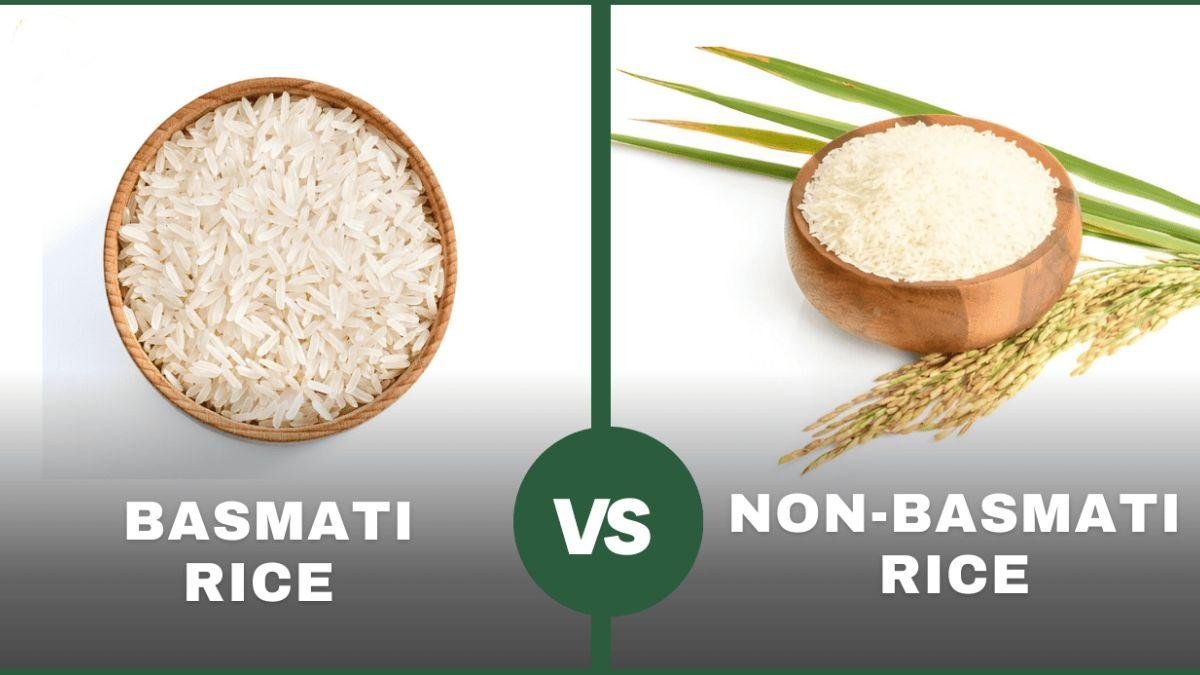 0 Comments 0 Shares 176 Views
 -
Steam vs Golden Sella Basmati Rice: Major Key Differences
When sourcing Basmati rice, buyers often compare Steam and Golden Sella variants to match their market needs. Both are widely exported, but they differ in processing, appearance, and performance.
Steam Basmati rice is processed using gentle steaming after milling, which helps retain its natural white color, aroma, and soft texture. It cooks into long, fluffy grains and is often preferred in markets that value a refined look and lighter texture.
Golden Sella Basmati rice undergoes a parboiling process before milling, giving it a distinct golden hue and firmer grain structure. This makes it more resistant to breakage and ideal for long storage and transport. It is also known for better yield after cooking.
For buyers, the choice depends on application. Steam rice suits premium retail and hospitality use, while Golden Sella is preferred for bulk consumption and distribution due to durability and shelf stability.
Understanding these differences helps importers select the right product based on pricing, storage conditions, and consumer preference.
https://www.amoliinternational.com/basmati-rice.html
#basmatirice #steamrice #goldensellarice #riceexport #indianrice #basmatiexporter #riceindustry #foodexport #premiumrice #parboiledrice #steamvsgoldensella #ricebusiness #riceimporters #longgrainrice
Steam vs Golden Sella Basmati Rice: Major Key Differences When sourcing Basmati rice, buyers often compare Steam and Golden Sella variants to match their market needs. Both are widely exported, but they differ in processing, appearance, and performance. Steam Basmati rice is processed using gentle steaming after milling, which helps retain its natural white color, aroma, and soft texture. It cooks into long, fluffy grains and is often preferred in markets that value a refined look and lighter texture. Golden Sella Basmati rice undergoes a parboiling process before milling, giving it a distinct golden hue and firmer grain structure. This makes it more resistant to breakage and ideal for long storage and transport. It is also known for better yield after cooking. For buyers, the choice depends on application. Steam rice suits premium retail and hospitality use, while Golden Sella is preferred for bulk consumption and distribution due to durability and shelf stability. Understanding these differences helps importers select the right product based on pricing, storage conditions, and consumer preference. https://www.amoliinternational.com/basmati-rice.html #basmatirice #steamrice #goldensellarice #riceexport #indianrice #basmatiexporter #riceindustry #foodexport #premiumrice #parboiledrice #steamvsgoldensella #ricebusiness #riceimporters #longgrainrice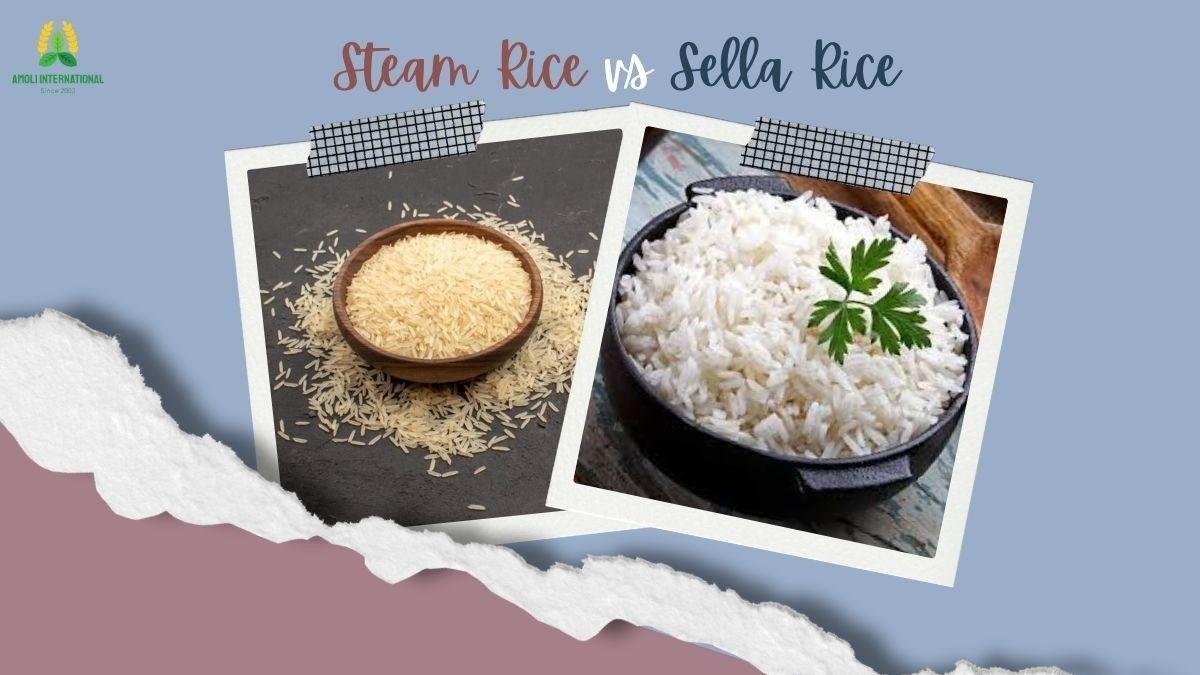 0 Comments 0 Shares 124 Views
 -
Key Facts Highlighting Biofuel Growth
Biofuels are no longer a niche solution- they are becoming a central pillar of the global energy transition. With increasing demand, supportive policies, and strong production capabilities, countries like India are playing a vital role in shaping this future.
For businesses looking to align with sustainable practices while maintaining operational efficiency, biofuel sourcing is a forward-looking decision. And for biofuel exporters, it represents a powerful opportunity to contribute to global energy needs while expanding into high-growth markets.
Global biofuel demand is expected to grow steadily as countries adopt cleaner fuel mandates
Ethanol blending programs are expanding across Asia, Europe, and the Americas
India is among the leading producers of ethanol due to its strong agricultural base
Biofuels can reduce carbon emissions by up to 60–80% compared to conventional fuels
Industrial sectors are increasingly shifting toward biomass-based energy solutions
These trends clearly indicate that biofuels are no longer an alternative- they are becoming a mainstream energy source.
https://www.amoliinternational.com/biofuels.html
#biofuels #renewableenergy #greenenergy #sustainablefuel #ethanol #cleanenergy #bioenergy #ethanolblending #sustainability #energytransition #biomassenergy #carbonreduction #globalenergy
Key Facts Highlighting Biofuel Growth Biofuels are no longer a niche solution- they are becoming a central pillar of the global energy transition. With increasing demand, supportive policies, and strong production capabilities, countries like India are playing a vital role in shaping this future. For businesses looking to align with sustainable practices while maintaining operational efficiency, biofuel sourcing is a forward-looking decision. And for biofuel exporters, it represents a powerful opportunity to contribute to global energy needs while expanding into high-growth markets. Global biofuel demand is expected to grow steadily as countries adopt cleaner fuel mandates Ethanol blending programs are expanding across Asia, Europe, and the Americas India is among the leading producers of ethanol due to its strong agricultural base Biofuels can reduce carbon emissions by up to 60–80% compared to conventional fuels Industrial sectors are increasingly shifting toward biomass-based energy solutions These trends clearly indicate that biofuels are no longer an alternative- they are becoming a mainstream energy source. https://www.amoliinternational.com/biofuels.html #biofuels #renewableenergy #greenenergy #sustainablefuel #ethanol #cleanenergy #bioenergy #ethanolblending #sustainability #energytransition #biomassenergy #carbonreduction #globalenergy 0 Comments 0 Shares 139 Views
 -
The Growing Importance of Non-Basmati Rice in India's 2026 Export Scenario
Non-basmati rice continues to play a central role in India's agricultural export portfolio, serving as a staple food across many regions worldwide. Varieties such as IR64, Sona Masoori, Ponni, and 5% broken parboiled rice are widely consumed due to their affordability and everyday usability. Unlike basmati rice, which is positioned as a premium product because of its aroma and grain length, non-basmati rice is valued for its accessibility, volume supply, and practicality.
In the financial year 2025–26, non-basmati rice accounted for nearly 60% of India's total rice export volume, highlighting its strong presence in global trade. India has maintained a competitive advantage over other rice-exporting nations such as Thailand and Vietnam, especially during periods when their production levels have been affected.
Looking ahead to 2026, several factors are expected to drive further growth in this segment. India's kharif season production crossed 120 million tons, ensuring sufficient availability for both domestic consumption and export. Policy decisions have also supported exporters, with the removal of minimum export price restrictions and simplified registration processes, making it easier for new participants to enter the market.
International demand remains strong, particularly in West African countries, which continue to rely heavily on imported rice to meet consumption needs. Countries like Benin play a significant role as distribution hubs, importing large volumes and supplying neighboring regions, thereby increasing overall demand for Indian non-basmati rice.
Pricing continues to be a major advantage. Non-basmati rice is available in the range of $400 to $560 per metric ton, depending on quality and processing, making it significantly more economical compared to premium basmati varieties. This pricing structure attracts bulk buyers, government agencies, and large distributors who prioritize cost efficiency and consistent supply.
In addition, improvements in logistics and port infrastructure have enhanced India's export capabilities. Major ports offer efficient handling, faster loading, and reduced transit times, particularly for shipments to Africa and the Middle East.
Overall, non-basmati rice is expected to remain a key driver of India's agricultural exports, supported by strong production, competitive pricing, and reliable global demand. For Non Basmati Rice exporters in India, this segment offers significant opportunities to expand in high-volume markets while maintaining supply consistency and operational efficiency.
https://www.amoliinternational.com/indian-non-basmati-rice-traders.html
#nonbasmatirice #riceexportindia #indianrice #agricultureindia #riceexport #globaltrade #agriexport #foodgrain #indianexporters #ricemarket #westafricamarket #bulkcommodities #foodsecurityThe Growing Importance of Non-Basmati Rice in India's 2026 Export Scenario Non-basmati rice continues to play a central role in India's agricultural export portfolio, serving as a staple food across many regions worldwide. Varieties such as IR64, Sona Masoori, Ponni, and 5% broken parboiled rice are widely consumed due to their affordability and everyday usability. Unlike basmati rice, which is positioned as a premium product because of its aroma and grain length, non-basmati rice is valued for its accessibility, volume supply, and practicality. In the financial year 2025–26, non-basmati rice accounted for nearly 60% of India's total rice export volume, highlighting its strong presence in global trade. India has maintained a competitive advantage over other rice-exporting nations such as Thailand and Vietnam, especially during periods when their production levels have been affected. Looking ahead to 2026, several factors are expected to drive further growth in this segment. India's kharif season production crossed 120 million tons, ensuring sufficient availability for both domestic consumption and export. Policy decisions have also supported exporters, with the removal of minimum export price restrictions and simplified registration processes, making it easier for new participants to enter the market. International demand remains strong, particularly in West African countries, which continue to rely heavily on imported rice to meet consumption needs. Countries like Benin play a significant role as distribution hubs, importing large volumes and supplying neighboring regions, thereby increasing overall demand for Indian non-basmati rice. Pricing continues to be a major advantage. Non-basmati rice is available in the range of $400 to $560 per metric ton, depending on quality and processing, making it significantly more economical compared to premium basmati varieties. This pricing structure attracts bulk buyers, government agencies, and large distributors who prioritize cost efficiency and consistent supply. In addition, improvements in logistics and port infrastructure have enhanced India's export capabilities. Major ports offer efficient handling, faster loading, and reduced transit times, particularly for shipments to Africa and the Middle East. Overall, non-basmati rice is expected to remain a key driver of India's agricultural exports, supported by strong production, competitive pricing, and reliable global demand. For Non Basmati Rice exporters in India, this segment offers significant opportunities to expand in high-volume markets while maintaining supply consistency and operational efficiency. https://www.amoliinternational.com/indian-non-basmati-rice-traders.html #nonbasmatirice #riceexportindia #indianrice #agricultureindia #riceexport #globaltrade #agriexport #foodgrain #indianexporters #ricemarket #westafricamarket #bulkcommodities #foodsecurity0 Comments 0 Shares 1K Views -
What Makes Indian Basmati Rice the Top Choice for Global Buyers?
Indian Basmati rice is widely preferred by international buyers due to its premium quality, aroma, and consistent supply. If you are exploring what makes Indian Basmati rice unique, this guide explains the key reasons behind its global demand. Grown in the fertile regions of North India, Basmati rice benefits from ideal climate and soil conditions that enhance its fragrance and grain length.
Another major advantage is the wide variety offered by reliable Basmati rice exporters, allowing buyers to choose based on their market needs and pricing strategy. From 1121 Basmati to traditional and Sella varieties, India provides flexible sourcing options.
Key reasons why global buyers prefer Indian Basmati rice:
Extra-long grain with superior elongation after cooking
Rich aroma and non-sticky texture
Multiple varieties for different market segments
Consistent quality with international certifications
Reliable export supply and strong logistics network
Additionally, Indian exporters offer customizable packaging and competitive pricing, making them ideal partners for bulk buyers and retailers. Overall, Indian Basmati rice delivers quality, value, and trust in global markets.
https://amoliinternational.wixsite.com/home/post/what-makes-indian-basmati-rice-preferred-by-global-buyers
#basmatirice #indianbasmati #riceexport #basmatiriceexporter #agricultureexports #premiumrice #longgrainrice #foodexport #globaltrade #indianexports #ricebusiness #foodindustry #exportbusinessWhat Makes Indian Basmati Rice the Top Choice for Global Buyers? Indian Basmati rice is widely preferred by international buyers due to its premium quality, aroma, and consistent supply. If you are exploring what makes Indian Basmati rice unique, this guide explains the key reasons behind its global demand. Grown in the fertile regions of North India, Basmati rice benefits from ideal climate and soil conditions that enhance its fragrance and grain length. Another major advantage is the wide variety offered by reliable Basmati rice exporters, allowing buyers to choose based on their market needs and pricing strategy. From 1121 Basmati to traditional and Sella varieties, India provides flexible sourcing options. Key reasons why global buyers prefer Indian Basmati rice: Extra-long grain with superior elongation after cooking Rich aroma and non-sticky texture Multiple varieties for different market segments Consistent quality with international certifications Reliable export supply and strong logistics network Additionally, Indian exporters offer customizable packaging and competitive pricing, making them ideal partners for bulk buyers and retailers. Overall, Indian Basmati rice delivers quality, value, and trust in global markets. https://amoliinternational.wixsite.com/home/post/what-makes-indian-basmati-rice-preferred-by-global-buyers #basmatirice #indianbasmati #riceexport #basmatiriceexporter #agricultureexports #premiumrice #longgrainrice #foodexport #globaltrade #indianexports #ricebusiness #foodindustry #exportbusiness0 Comments 0 Shares 1K Views -
Why India is Emerging as a Key Hub for Biofuels Exporters?
India is rapidly becoming a significant player in the renewable energy sector, with growing demand for biofuels exporters in India across global markets. Biofuels such as biodiesel, bioethanol, biomass pellets, and briquettes are widely used as sustainable alternatives to fossil fuels.
One of the key strengths of Indian biofuel exporters is access to abundant agricultural resources, including crop residues, sugarcane, and used cooking oil. This ensures consistent production and scalable supply for international buyers.
Biofuels are valued for their lower carbon emissions, renewable nature, and cost efficiency, making them an attractive choice for industries seeking cleaner energy solutions. Exporters also comply with international standards such as ISO, ASTM, and sustainability certifications, ensuring product quality and regulatory compliance.
With increasing focus on environmental sustainability, countries across Europe, Asia, and the Middle East are turning to Indian suppliers for reliable biofuel sourcing.
For buyers, partnering with Indian biofuel exporters offers stable supply, competitive pricing, and long-term energy solutions, supporting both environmental and commercial goals.
https://www.amoliinternational.com/biofuels.html
#biofuels #biofuelsexporters #renewableenergy #greenenergy #sustainablefuel #biodiesel #bioethanol #biomass #cleanenergy #energytransition #indiaexports #exportbusiness #globaltrade #sustainabilityWhy India is Emerging as a Key Hub for Biofuels Exporters? India is rapidly becoming a significant player in the renewable energy sector, with growing demand for biofuels exporters in India across global markets. Biofuels such as biodiesel, bioethanol, biomass pellets, and briquettes are widely used as sustainable alternatives to fossil fuels. One of the key strengths of Indian biofuel exporters is access to abundant agricultural resources, including crop residues, sugarcane, and used cooking oil. This ensures consistent production and scalable supply for international buyers. Biofuels are valued for their lower carbon emissions, renewable nature, and cost efficiency, making them an attractive choice for industries seeking cleaner energy solutions. Exporters also comply with international standards such as ISO, ASTM, and sustainability certifications, ensuring product quality and regulatory compliance. With increasing focus on environmental sustainability, countries across Europe, Asia, and the Middle East are turning to Indian suppliers for reliable biofuel sourcing. For buyers, partnering with Indian biofuel exporters offers stable supply, competitive pricing, and long-term energy solutions, supporting both environmental and commercial goals. https://www.amoliinternational.com/biofuels.html #biofuels #biofuelsexporters #renewableenergy #greenenergy #sustainablefuel #biodiesel #bioethanol #biomass #cleanenergy #energytransition #indiaexports #exportbusiness #globaltrade #sustainability0 Comments 0 Shares 1K Views -
Why Do Global Buyers Prefer Indian Basmati Rice?
Indian Basmati rice has built a strong reputation in international markets due to its premium quality, long grains, and rich aroma. It is widely accepted that global buyers prefer Indian Basmati rice because it offers a perfect balance of taste, texture, and reliability.
One of the biggest reasons behind this preference is its unique cultivation in the fertile regions of Punjab, Haryana, and Uttar Pradesh. The climate and soil conditions in these areas give Basmati rice its signature fragrance and elongation after cooking, which is difficult to find in rice from other countries.
Another important factor is the wide variety available. Indian exporters offer options like 1121 Basmati, Traditional Basmati, Steam, and Sella rice, allowing buyers to choose according to their market needs and pricing strategies.
Consistency in quality and reliable supply also play a major role. Indian exporters follow strict processing and packaging standards, ensuring every shipment meets global expectations. Additionally, flexible packaging and strong export infrastructure make sourcing easier for international buyers.
Overall, Indian Basmati rice stands out as a complete solution for quality, variety, and dependable global supply.
https://amoliinternational.wixsite.com/home/post/what-makes-indian-basmati-rice-preferred-by-global-buyers
#basmatirice #indianbasmatirice #riceexport #globalbuyers #premiumrice #riceindustry #agroexport #foodexport #ricebusiness #1121basmatirice #sellabasmatirice #indianexports #ricequality #foodsupplyWhy Do Global Buyers Prefer Indian Basmati Rice? Indian Basmati rice has built a strong reputation in international markets due to its premium quality, long grains, and rich aroma. It is widely accepted that global buyers prefer Indian Basmati rice because it offers a perfect balance of taste, texture, and reliability. One of the biggest reasons behind this preference is its unique cultivation in the fertile regions of Punjab, Haryana, and Uttar Pradesh. The climate and soil conditions in these areas give Basmati rice its signature fragrance and elongation after cooking, which is difficult to find in rice from other countries. Another important factor is the wide variety available. Indian exporters offer options like 1121 Basmati, Traditional Basmati, Steam, and Sella rice, allowing buyers to choose according to their market needs and pricing strategies. Consistency in quality and reliable supply also play a major role. Indian exporters follow strict processing and packaging standards, ensuring every shipment meets global expectations. Additionally, flexible packaging and strong export infrastructure make sourcing easier for international buyers. Overall, Indian Basmati rice stands out as a complete solution for quality, variety, and dependable global supply. https://amoliinternational.wixsite.com/home/post/what-makes-indian-basmati-rice-preferred-by-global-buyers #basmatirice #indianbasmatirice #riceexport #globalbuyers #premiumrice #riceindustry #agroexport #foodexport #ricebusiness #1121basmatirice #sellabasmatirice #indianexports #ricequality #foodsupply0 Comments 0 Shares 1K Views -
What Makes the Best Basmati Rice Exporter in India Stand Out?
India is the leading supplier of Basmati rice worldwide, and choosing the best Basmati rice exporter in India is crucial for ensuring premium quality and consistent supply. Buyers look for exporters who offer not just rice, but a complete sourcing solution.
Top exporters provide a wide range of Basmati varieties such as 1121 Steam, Golden Sella, Creamy Sella, and Traditional Basmati, catering to diverse market needs. These varieties are known for their extra-long grains, rich aroma, and superior cooking performance.
Quality control is a key differentiator. Reliable exporters follow strict grading, sorting, and packaging standards to maintain consistency across shipments. Export-ready packaging ensures long shelf life and product stability during transit.
In addition, leading exporters offer private labeling, flexible packaging, and documentation support, making it easier for buyers to manage imports.
With strong demand across the Middle East, Europe, and Africa, working with the right exporter ensures long-term reliability, quality assurance, and market success.
https://www.amoliinternational.com/basmati-rice.html
#basmatirice #riceexport #basmatiriceexporter #indianrice #bestbasmatiriceexporterinindia #1121basmatirice #sellabasmatirice #ricesupplier #agroexport #foodexport #premiumrice #ricebusinessWhat Makes the Best Basmati Rice Exporter in India Stand Out? India is the leading supplier of Basmati rice worldwide, and choosing the best Basmati rice exporter in India is crucial for ensuring premium quality and consistent supply. Buyers look for exporters who offer not just rice, but a complete sourcing solution. Top exporters provide a wide range of Basmati varieties such as 1121 Steam, Golden Sella, Creamy Sella, and Traditional Basmati, catering to diverse market needs. These varieties are known for their extra-long grains, rich aroma, and superior cooking performance. Quality control is a key differentiator. Reliable exporters follow strict grading, sorting, and packaging standards to maintain consistency across shipments. Export-ready packaging ensures long shelf life and product stability during transit. In addition, leading exporters offer private labeling, flexible packaging, and documentation support, making it easier for buyers to manage imports. With strong demand across the Middle East, Europe, and Africa, working with the right exporter ensures long-term reliability, quality assurance, and market success. https://www.amoliinternational.com/basmati-rice.html #basmatirice #riceexport #basmatiriceexporter #indianrice #bestbasmatiriceexporterinindia #1121basmatirice #sellabasmatirice #ricesupplier #agroexport #foodexport #premiumrice #ricebusiness0 Comments 0 Shares 1K Views -
How to Choose Reliable Bourbon Biscuits Exporters from India?
Bourbon biscuits are one of the most popular chocolate sandwich biscuits globally, making them a high-demand product in export markets. For international buyers, selecting the right Bourbon biscuits exporters in India is essential to ensure consistent quality, stable supply, and strong consumer acceptance.
Indian exporters offer Bourbon biscuits with rich cocoa flavor, smooth cream filling, and crisp texture, making them suitable for both retail and wholesale distribution. One of the key advantages is the availability of multiple packaging formats, including retail packs, bulk cartons, and private-label options.
Reliable exporters focus on hygienic production, standardized recipes, and moisture-controlled packaging, ensuring long shelf life during transit. This is particularly important for shipments to regions with warm climates.
Buyers should also consider factors such as production capacity, customization flexibility, and export documentation support. These elements help ensure smooth procurement and long-term supply partnerships.
With growing demand across Africa, the Middle East, and Southeast Asia, Indian Bourbon biscuits exporters continue to provide affordable, high-quality products that deliver strong shelf performance and repeat demand.
https://www.amoliinternational.com/biscuits-in-india.html
#bourbonbiscuits #biscuitsexport #indiabiscuitsexporters #foodexportindia #snacksexport #chocolatebiscuits #privatelebel #fmcgexport #globaltrade #exportbusiness #foodindustry #indiaproductsHow to Choose Reliable Bourbon Biscuits Exporters from India? Bourbon biscuits are one of the most popular chocolate sandwich biscuits globally, making them a high-demand product in export markets. For international buyers, selecting the right Bourbon biscuits exporters in India is essential to ensure consistent quality, stable supply, and strong consumer acceptance. Indian exporters offer Bourbon biscuits with rich cocoa flavor, smooth cream filling, and crisp texture, making them suitable for both retail and wholesale distribution. One of the key advantages is the availability of multiple packaging formats, including retail packs, bulk cartons, and private-label options. Reliable exporters focus on hygienic production, standardized recipes, and moisture-controlled packaging, ensuring long shelf life during transit. This is particularly important for shipments to regions with warm climates. Buyers should also consider factors such as production capacity, customization flexibility, and export documentation support. These elements help ensure smooth procurement and long-term supply partnerships. With growing demand across Africa, the Middle East, and Southeast Asia, Indian Bourbon biscuits exporters continue to provide affordable, high-quality products that deliver strong shelf performance and repeat demand. https://www.amoliinternational.com/biscuits-in-india.html #bourbonbiscuits #biscuitsexport #indiabiscuitsexporters #foodexportindia #snacksexport #chocolatebiscuits #privatelebel #fmcgexport #globaltrade #exportbusiness #foodindustry #indiaproducts0 Comments 0 Shares 1K Views -
How Do Government Policies Rice Exports from India Impact Global Trade?
Government policies rice exports from India play a crucial role in shaping both domestic supply and global market trends. As one of the largest exporters of basmati and non-basmati rice, India frequently adjusts export rules like minimum export price (MEP), bans, and tariffs to control inflation and ensure food security.
When strict policies are applied, exports decrease, which can raise global rice prices and create opportunities for competitors like Thailand and Vietnam. On the other hand, relaxed policies increase supply in international markets, stabilizing prices and boosting India's export volume.
Support systems such as Minimum Support Price (MSP) and export incentives help farmers and traders stay competitive. Additionally, organizations like Agricultural and Processed Food Products Export Development Authority ensure quality standards, making Indian rice more reliable globally.
Overall, government policies rice exports from India directly influence trade flows, pricing, and international demand. A balanced approach is essential to maintain export growth while protecting domestic consumers and ensuring long-term sustainability.
https://www.linkedin.com/pulse/impact-government-policies-rice-export-india-amoliinternational-nk4yc/
#riceexportindia #indianrice #basmatirice #nonbasmatirice #riceexport #globaltrade #agricultureindia #agriexports #foodsecurityHow Do Government Policies Rice Exports from India Impact Global Trade? Government policies rice exports from India play a crucial role in shaping both domestic supply and global market trends. As one of the largest exporters of basmati and non-basmati rice, India frequently adjusts export rules like minimum export price (MEP), bans, and tariffs to control inflation and ensure food security. When strict policies are applied, exports decrease, which can raise global rice prices and create opportunities for competitors like Thailand and Vietnam. On the other hand, relaxed policies increase supply in international markets, stabilizing prices and boosting India's export volume. Support systems such as Minimum Support Price (MSP) and export incentives help farmers and traders stay competitive. Additionally, organizations like Agricultural and Processed Food Products Export Development Authority ensure quality standards, making Indian rice more reliable globally. Overall, government policies rice exports from India directly influence trade flows, pricing, and international demand. A balanced approach is essential to maintain export growth while protecting domestic consumers and ensuring long-term sustainability. https://www.linkedin.com/pulse/impact-government-policies-rice-export-india-amoliinternational-nk4yc/ #riceexportindia #indianrice #basmatirice #nonbasmatirice #riceexport #globaltrade #agricultureindia #agriexports #foodsecurity0 Comments 0 Shares 978 Views -
Why is Parboiled Rice in high demand across various industries?
When it comes to 100% broken rice, buyers often choose between raw broken rice and parboiled broken rice depending on their intended application and market requirements.
Raw 100% Broken Rice is widely used in food processing industries, including rice flour, snacks, baby food, and brewing. It has a softer texture and cooks quickly, making it suitable for products that require easy grinding or faster preparation.
On the other hand, Parboiled 100% Broken Rice undergoes a steaming process before milling, which enhances its nutritional value, grain strength, and shelf life. It is commonly used in animal feed, industrial applications, and certain food products where durability and stability are important.
From an import perspective, parboiled broken rice offers better resistance to moisture, pests, and breakage during transport, making it ideal for long-distance shipping. Raw broken rice, however, is preferred when the focus is on processing efficiency and cost-effectiveness.
The choice ultimately depends on the buyer's end use, market demand, and storage conditions. Many importers source both types to cater to different segments. You can contact 100% broken rice traders in India for bulk import.
https://www.amoliinternational.com/indian-non-basmati-rice-traders.html
#parboiledrice #brokenrice #riceindustry #riceexport #riceimport #ricetraders #indianrice #foodprocessing #agroproducts #bulkrice #ricebusiness #globaltrade #ricemarket #animalfeed #industrialuse #ricesuppliersWhy is Parboiled Rice in high demand across various industries? When it comes to 100% broken rice, buyers often choose between raw broken rice and parboiled broken rice depending on their intended application and market requirements. Raw 100% Broken Rice is widely used in food processing industries, including rice flour, snacks, baby food, and brewing. It has a softer texture and cooks quickly, making it suitable for products that require easy grinding or faster preparation. On the other hand, Parboiled 100% Broken Rice undergoes a steaming process before milling, which enhances its nutritional value, grain strength, and shelf life. It is commonly used in animal feed, industrial applications, and certain food products where durability and stability are important. From an import perspective, parboiled broken rice offers better resistance to moisture, pests, and breakage during transport, making it ideal for long-distance shipping. Raw broken rice, however, is preferred when the focus is on processing efficiency and cost-effectiveness. The choice ultimately depends on the buyer's end use, market demand, and storage conditions. Many importers source both types to cater to different segments. You can contact 100% broken rice traders in India for bulk import. https://www.amoliinternational.com/indian-non-basmati-rice-traders.html #parboiledrice #brokenrice #riceindustry #riceexport #riceimport #ricetraders #indianrice #foodprocessing #agroproducts #bulkrice #ricebusiness #globaltrade #ricemarket #animalfeed #industrialuse #ricesuppliers0 Comments 0 Shares 1K Views


More Stories